In 1365, a total of 12 epidemic events are known so far. It is a year. See also time and timelines.
Timeline
Table
Table
| Page | DateStart date of the disease. | SummarySummary of the disease event | OriginalOriginal text | TranslationEnglish translation of the text | ReferenceReference(s) to literature | Reference translationReference(s) to the translation |
|---|---|---|---|---|---|---|
| 1364-00-00-Pereiaslav | 1364 JL | Epidemic in Pereyaslavl. | На тү же зимү [6872] и веснү [68873] моръ бы(с)[ть] в Переӕславли. | In the winter 1364/1365 and spring 1365 the epidemic was in Pereyaslavl. | Suzdal’skаia lеtоpis’ in Polnoe Sobranie Russkikh Letopiseĭ, vol. I, Moscow 2001: Iazyki Slaviankoĭ Kul’tury, col. 533. | Translation by Adrian Jusupovic |
| 1364-00-00-Vladimir-Suzdalian Rusia MLSKXVv | 1364 JL | A great plague (Black Death) in Vladimir-Suzdalian Rusia. | B лѣтo 6872. Быcть моръ великъ в Hoвѣгopoдѣ Hижнемъ, xpaкaxy людие кpoвью, a инии железою боляxy, и не долго боляxy, но два дни или три, a инии единъ день поболѣвше умирaxy. И толко множество бѣ мертвыx, яко не ycпевaxy живии погребати иxъ. Toe же oceни мѣсяца октября 23 прествися князь Иванъ Иванoвичъ, братъ великого князя Дмитрея, и положенъ быcть въ Apxaггелѣ на Mocквѣ. Toe же oceни и тоѣ же зимы быcть нa люди мopъ великъ в Пepecлавли, на день умираша человѣкъ 20 или 30, иногда же 60 или 70, a иногда и до ста и боле. Болеcтъ же бѣ сица: преже яко poгатиною ударитъ за лопaтку или под груди или меж крилъ, и тако paзболѣвъся человѣкъ начнет кровью xpaxaти и огнь зазжьжетъ и потомъ потъ, та же дрожь, и полежавъ eдинъ день или два, a pѣтко того кои 3 дни, и тако умиpaxy, a инии желѣзою умиpaxy. Желѣзa же не y всякого бываше въ единомъ мѣстѣ, но оному на шиe, a иному под скулою, a иному под пазухою, дрyгому за лопадкою, прочимъ же на стегнехъ. Быcть же cие не токмо въ единомъ гpaдѣ Пepecлавли, но и въ всѣхъ прeдѣлex eгo. Приидe же сия казнь, послана отъ бога на люди, снизy от Бездѣжа к Hoвyгopoдy Hижнемy и оттолѣ къ Koломнѣ, та же к Пepecлавлю, по томъ же на дpyгoe лѣто к Мocквѣ, та же и по всѣмъ градомъ и странaмъ быcть мopъ великъ и страшенъ, не ycпевaxy бо живии мepтвыx oпрятывати, вездѣ бo бѣ мepтвии въ градѣхъ и в сѣлex, въ домaxъ и церквеи. И бѣ туга и скорбь и плач неутѣшим, мало бo бѣ живых, но вce мepтвии. Погрѣбaxy же въ едину яму 5 и 6 мepтвыxъ, a индѣ 10 и боле, a дворы мнози пусты бышa, a въ иныхъ единъ ocтacя или двa, ли женескъ пол, ли мужескъ, или отpoчa мaлo. | There was a great plague in Nizhny Novgorod, people were coughing/spitting blood, and others suffered from ulceration/swelling of the glands, and soon they fell ill, barely two or three days, and others, after being sick for one day, died. And there were so many dead that the living couldn't bury them. That autumn, in the month of October, on the 23rd [day], Prince Ivan Ivanovich, brother of Grand Duke Dmitry, died and was laid to rest with the Archangel in Moscow. That fall and winter there was a great plague among people in Pereyaslavl (Zaleski), 20 or 30 people died a day, sometimes 60 or 70, and up to a hundred or more. The disease was as follows: first, it was like being hit by bear spear behind the shoulder blade, under the breast, or between the collarbones. And when he gets sick, he starts spitting blood and [as if] a burning fire, then he sweats, then he gets chills. And after lying for one or two days, rarely for three days, they still die, while others die because of swelling/blisters. The swelling/blisters [occurred] differently, for some it was on the neck, for another it was under the cheekbone, for another it was under the armpit, for another it was behind the shoulder blade, for another it was on the tendons. This was not only in the single town of Pereyaslavl, but also in all its estates. This punishment sent by God to men came from the lower side [from the south] from Bezdiezh<a href="#cite_note-1">[1]</a> to Nizhnyi Novgorod, and from there to Kolomna and also to Pereyaslavl. Then in the second year there was a great and terrible plague in Moscow and in all the towns and regions. The living were unable to prepare the dead for burial, because there were dead everywhere, in towns and villages, in houses and in churches. And there was misery and pain and inconsolable weeping, for there were few living, because they were all dead. In one pit they buried 5 and 6 dead, and in another 10 or more, and many manors were empty, while in others one or two remained, either women or men, or few children. | Московский лeтoпиcный свод конца XV века, in: Полное Cобрание Pусских Летописей, т. XXV, Mocвa: Языки Cлaвянcкoй Kyльтypы, 2004, p. 182. | Translation by Dariusz Dabrowski |
| 1364-00-00-Vladimir-Suzdalian Rusia Sim | 1364 JL | A great plague (Pestis secunda) in Vladimir-Suzdalian Rusia. | B лѣтa 6872<a href="#cite_note-1">[1]</a>гнѣвомъ Божимъ зa yмноженie грѣxъ нaшиxъ,быcть моръ cилeнъ великъ нa люди въ Hoвѣгopoдѣ въ Hижнемъ, нa yѣздe и нa Capy, и нa Kиши, и пo cтpaнaмъ и пo вoлocтeмъ, oвiи xpaкaxy кpoвiю, a дpyзiи железою, и не долго боляxy, но два дни или три, или единъ день поболѣвше, тaкo умирaxy; нa всякъ жe дeнь мнoзи умирaxy, и толико множество иxъ, яко не пocпѣвaxy живiи мертвыx погребати. Toe же oceни мѣсяца Oктября въ 23 прествися князь Иванъ Иванoвичъ, братъ князя великaго Дмитрея Иванoвичa, и положенъ быcть въ цepкви cвятoгo apxaaггелѣ на Mocквѣ. Toe же oceни и тоe же зимы быcть мopъ великъ нa люди въ гpaдѣ Пepeяcлавли, мepли люди пo мнoгy на день, пo 20, пo 30 на день, иногда на день 60, 70 человѣкъ, a иногды 100, a тaкoвы дни были же пoбoлѣ cтa на день человѣкъ yмиpaлo; a болеcтъ былa тaкoвa: преже кaкъ poгатиною ударитъ за лопaтку или пpoтивy cepдцa подъ груди или пpoмежъ крилъ, и paзболится человѣкъ, и начнеть кровiю xpaкaти и огнь paзбьетъ, и по ceмъ потъ, потoмъ дрожь имeть, и тако въ бoлecти полежавъ, oвiи день eдинъ поболѣвше умиpaxy, a дpyзiи два дни; a инiи 3 дни, преже мopъ былъ кpoвию xpaчющe мepли, потoмъ железою paзбoлѣвшecя, ти тaкoжe два дни или 3 дни полежавшe умиpaxy; желѣзa же не eдинaкo, но иному на шee, a иному на стегнѣ, oвому подъ пазухою, oвому же подъ скулою, иному же за лопаткою. Не токмо же въ гpaдѣ Пepeяcлавлѣ былo ce, но и пo всѣмъ вoлocтeмъ Пepeяcлавлcкимъ былъ мopъ, и пo ceлoмъ и пo пoгocтoмъ; и пo мaнacтыpeмъ, a преже тoгo былъ мopъ въ Hoвѣгopoдѣ въ Hижнемъ, a пришoлъ съ Низy отъ Бездeжа<a href="#cite_note-2">[2]</a> въ Hoвгopoдъ Hижнiи, и оттолѣ нa Koломнy, нa дpyгoe лѣтo въ Пepeяcлавлъ, a отъ Пepeяcлавля на дpyгoe лѣто нa Мocквy. Такo въ всѣxъ градѣxъ и странaxъ и въ всѣxъ пpeдѣлaxъ иxъ быль мopъ великыи страшныи. Увы мнѣ! Кaкo мoгy cкaзaти бѣдy тy гpoзнyю и тyгy страшнyю, бывшyю въ великiи мopъ, кaкo вeздѣ тyгa и пeчaлъ гopкaя, плaчь и pыдaнie, и кpикъ, и вoпль, cлeзы нeyтѣшимы; плaкaxycя живыи мepтвыxъ, пoнeжe yмнoжишacя мнoжecтвo мepтвыxъ, и въ градѣхъ мepтвия, и въ сeлexъ, и въ домѣxъ мpътвыя, и въ xpaмѣxъ в y церквеи мepтвыя, мнoгo жe мepтвыxъ, a мало живыхъ, тѣмъ не ycпѣвaxy живiи мepтвыx oпрятывати, нижe дoвoлни бяxy здpaви и дecятepымъ бoлeмъ нa пoтpeбy дa пocлyжитъ. Погрѣбaxy же oвoгдa двa, тpи въ eдинy мoгилy, oвoгдa же 5, 6, инoгдa дo дecяти, ecть же дpyгoици eгдa бoлѣ 10 въ eдинy мoгилy пoклaдaxy, a въ дворѣ индѣ eдинъ чeлoвѣкъ ocтacя, a индѣ мнoзи дворы пусты бѣшa. | In the year 1364, because of the wrath of God [caused by] the multiplication of our sins, there was a very severe plague in Nizhny Novgorod, in the region and in Sara, and in Kisha, and in the surrounding areas and estates, some spit blood, and others [appeared] ulcers, and did not they were sick for a long time, two or three days, or one, and then they died. Many people died every day, and there were so many of them that they were unable to bury the dead alive. This fall, in the month of October, on the 23rd, Prince Ivan Ivanovich, brother of Grand Duke Dmitry Ivanovich, died and was buried in the Church of the Holy Archangel in Moscow. That autumn and that winter there was a great plague among the people in the town of Pereyaslav, many people died a day, 20, 30 a day, sometimes 60, 70 people a day, sometimes 100, and there were days when over a hundred people died. died every day. And the disease was as follows: first, it was like being hit behind the shoulder blade or opposite the heart, under the breast or between the shoulder blades, and the person became sick and started spitting blood and a fire was kindled [in the body], and then he sweated, then he got chills, and so on in pain. lying there, these were sick for one day, and others died for two days, and others for three days. At first the plague was such that they died spitting blood, then they became sick with ulcers and lay in bed for two or three days and died. The ulcers were not the same, but in one it was on the neck, in another on the tendons, in this one under the armpit, in this one under the cheekbone, in another behind the shoulder blade. There was this plague not only in the town of Pereyaslavl, but also in all Pereyaslavl estates, in villages, in rural tax districts, and in monasteries. And before that there was a plague in Nizhny Novgorod, and it came from Niz, from Bezdezh to Nizhny Novgorod, and from there to Kolomna, and the next year to Pereyaslavl, and from Pereyaslavl for the second year to Moscow. So in all the cities and provinces and in all their districts there was a very terrible plague. Oh wretched me! How can I tell about this terrible poverty and terrible weakness that occurred during the great plague, when everywhere there is weakness and bitter sadness, weeping and sobbing, screaming and calling for help, inconsolable tears; the living mourned for the dead, for the dead were multiplied in multitude, dead in the towns, and in the villages, and in the houses, and in the farmsteads, and dead in the churches, and many dead, and few living. Therefore, they were unable to prepare the living dead for burial; they had to be able to stay healthy and serve ten sick people in need. Sometimes they buried two or three in one grave, sometimes 5 or 6, sometimes up to ten, and there were others where they buried more than 10 in one grave. And sometimes one man stayed in the manor, and in other places the manors were [completely] empty. | Симеоновская летопись, in: Полное Cобрание Pусских Летописей, vol. XVIII, Mocквa: Знак, 2007, p. 102–103. | None |
| 1365-00-00-Erfurt | 1365 JL | Pestis tertia in Erfurt kills 42 nuns. | Anno domini 1365 pestilentia magna fuit, ita ut Erfordiae in claustro novi operis a vigilia Petri ad vincula usque ad vigiliam XI milium virginum XLII virgines morerentur, quarum animae sint in domino. | In the year of our Lord 1365 there was a great pestilence, so that in Erfurt in the newly built monastery from the vigil of St. Peter in chains to the vigil of 11.000 virigns 42 nuns died, and their souls are with the Lord. | Erfurter Annalen 1834, col. 231. | Translation by Martin Bauch |
| 1365-00-00-Limburg | 1365 JL | The pestis tertia strikes Limburg and Central Germany, mortality is lower than in the previous plague waves, but the local count, Gerlach of Limburg, dies. | Item da man schreip dusent druhondert unde funf unde seszig jar als vur, da was daz große drette sterben. Unde was daz sterben meßlicher dan di ersten sterben, also daz si mit zehen oder zwelf menschen den dag storben in steden als Limpurg unde dem glich sint. Unde starp her Gerlach herre zu Limpurg. | In the year 1365, there was the great third dying. This dying was more moderate than the first two, so that people died at a rate of ten or twelve per day in cities such as Limburg and similar places. And Lord Gerlach, the lord of Limburg, died. | Limburger Chronik 1883, p. 54. | Translation by Martin Bauch |
| 1365-00-00-Limburg01 | 1365 JL | A minor plague strikes Limburg. | Item in eodem anno erat tercia pestilencia et minima. | Also, in the same year (1365), there was a third and relatively minor pestilence. | Limburger Chronik 1883, Limburger Annalen, p. 112. | Translation by Martin Bauch |
| 1365-00-00-Rostov | 1365 JL | Epidemic in Rostov. | На тү же ѡсень [6873] моръ бы(с)[ть] в Ростовѣ. | In the autumn (1365) the epidemic was in Rostov. | Suzdal’skаia lеtоpis’ in Polnoe Sobranie Russkikh Letopiseĭ, vol. I, Moscow 2001: Iazyki Slaviankoĭ Kul’tury, col. 533. | Translation by Adrian Jusupovic |
| 1365-00-00-Strasbourg | 1365 JL | Price increase and plague during the stay of Englishmen in the Alsace region | Türunge. Donoch in den andern joren kam missewahs und müse die die fruht verossent, das diese türunge wol 6 jor annander werte. und wenne korn underwilen abe fluog in einre ernen, daz ein viertel kam an 8 sol. oder an 10 sol. d., so sluog es in dem jore wider uf, also das ein viertel kornes die 6 jor gewonlichen galt 10 sol. Oder 12 sol. und dicke ein pfunt oder 18 sol. Darzuo koment ouch sterbotte, also daz noch disen [p. 490] Englendern vil unglückes kam in Elsas. aber noch den andern Engelendern die darnoch koment über zehen jor, kam kein breste noch türunge, wie wol es ein grosser volg was und lunger in dem lande logent denne die vördern Engelender. und von den selben andern Engelendern wurt hernoch geseit in dem fünften capitel. |
Price increase. After that, in the following years, there was a poor harvest, and the crops were ruined, so that this price increase lasted for about six years in a row. And when grain sometimes fell in price during a harvest, so that a quarter of it cost 8 or 10 shillings, it would rise again that same year, so that a quarter of grain, which usually cost 10 or 12 shillings during those six years, sometimes reached a pound or 18 shillings. Additionally, there was also a plague, so that after the Englishmen great misfortune befell the Alsace. But in the years following the other Englishmen, who came over the next ten years, there was no more plague or price increase, although it was a great people, and they stayed longer then the first Englishmen. More about those other Englishmen will be mentioned in the fifth chapter. | Jacobus Twinger von Könishofen: Chronik 1870-71, p. 489-490. | Translation by Moritz Uebelhack |
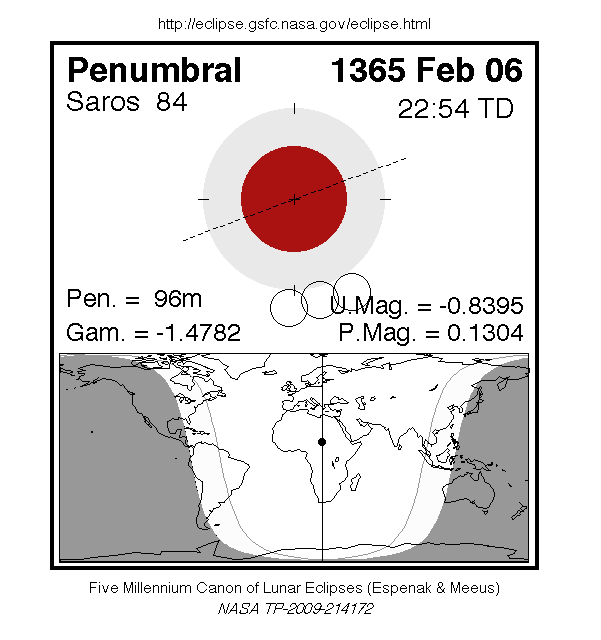
| 1365-02-00-Apulia | February 1365 JL | A lunar eclipse on 8th of February (actually 6th) predicts cold and wind; almost all people fall ill with fever and cough, affects wide regions like Apulia, Bologna, Marche, Tuscia and Lombardy | Ancora, adì 8 de febraro, la nocte vegnando, la luna divenne tucta sanguinea per assai volte, et ancho si mostrò schura, zoè negra; et durò per spazio d'uno quarto d'una ora o più. Et per questo accidente, a quisti dì, si fu uno fiero et forte tempo, cum grandi venti et grande zelo: et si fu una sì fiera pestilenza de fredo nelle persone de' christiani, cum grande febre et tosse et male assai; et si n'è stadi de morti alchuna parte per questa malatia, et si se pò dire che non rimase nessuno, generalmente, che non sentisse la malatia. Et questo fu per tucte le parte, zoè in la Puglia et in la Marcha, in Thoscana, in Romagna, in Lombardia, et generalmente per tucto; et questo comminzò de febraro et durò di fine al mese marzo, che fu chossì grande et forte tempo et grande malatia | Again, on 8 February, when the night was coming, the moon became completely bloody for many times, and it also became dark, that is, black; and it lasted for a quarter of an hour or more. And for this reason, on this day, there was a fierce and strong weather, with great winds and great zeal: and there was such a fierce plague of cold in the people of the Christians, with great fever and coughing and much evil; and there were many deaths from this disease, and it can be said that there was no one left, in general, who did not feel the sickness. [...] | Template:Anonymus 1938b, p. 211 | None |
| 1365-07-00-Romagna | July 1365 JL | Plague outbreak in the Romagna, very close to Bologna | Ancora fu una grande mortaligha per tucta la Romagna, et quasi poca gente gli rimase; inperò che per l'altre morìe che erano state, tanti gli ne morì, che mo pochi n'è romasi; et anche uno pocho da parte ne tochò in Bologna. Tucta fu de la malizia usata | Again, there was a great death in the whole of Romagna, and almost few people were left; however, because of the other deaths that had taken place, so many died, that there are now only a few Romans; and even a few died in Bologna. All of them were of the malice used | Anonymus 1938b, p. 200 | Translation by DeepL |
| 1365-10-00-Cologne | October 1365 JL | Outbreak of plague in Cologne, in Westphalia and Hesse. | In mense Octobri (1365) et infra vel citra sicut hucusque insanuit pestilencia inguinaria, sed maxime in Colonia, in Westvalia, in Hassia et in multis aliis partibus circumcirca. | In the month of October (1365) and in the months before or after, as the groin pestilence has raged so far, but mainly in Cologne, in Westphalia, in Hesse, and in many other surrounding parts. | Chronicon Moguntinum 1885, p. 14. | Translation by Martin Bauch; None; |
| 1365-10-12-Alexandria | October 1365 JL | A Muslim woman who had been taken prisoner by the Franks who had seized Alexandria in October 1365 reportedly related that after the Franks had withdrawn from the city [around October 12], an epidemic (wabāʾ) broke out among its inhabitants. The disease was caused by an odor that altered the air and by the smell emanating from the bodies of those who had been killed during the conquest and whose corpses had been lying around for too long. The maximum daily death toll exceeded 100. The woman, then, began to work as a washer of female corpses in order to earn a living. |  |
al-Nuwayrī - Kitāb al-Ilmām 1968-1976, vol. 4 (1970), p. 295. | Translation needed |
Authority data:
Retrieved from "https://epimeddat.net/index.php?title=1365&oldid=4430"
Cookies help us deliver our services. By using our services, you agree to our use of cookies.